


A new study highlights the potential use of Sr isotopes in forensic science
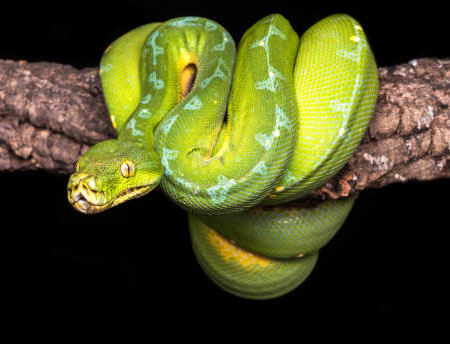
Many species of animals and plants are currently traded internationally, and this trade is regulated by the Convention on International Trade in Endangered Species of Wild Fauna and Flora (CITES). Not only green pythons are among the popular species kept as pets, and their illegal capture could lead to the decline of native populations. Some farms in Indonesia act as intermediaries for exporting wild-caught pythons. Forensic tool capable of distinguishing between individuals originating from the wild and those bred in captivity would support the enforcement of CITES regulations. One such tool could be the analysis of strontium isotope composition combined with trace element data. This is evidenced by a new study published in the journal Radiocarbon, which presents pilot data for stripped green python skins originating from the Czech Republic and Indonesia.